A new strategic white paper explores how Aotearoa New Zealand can move towards a circular economy.
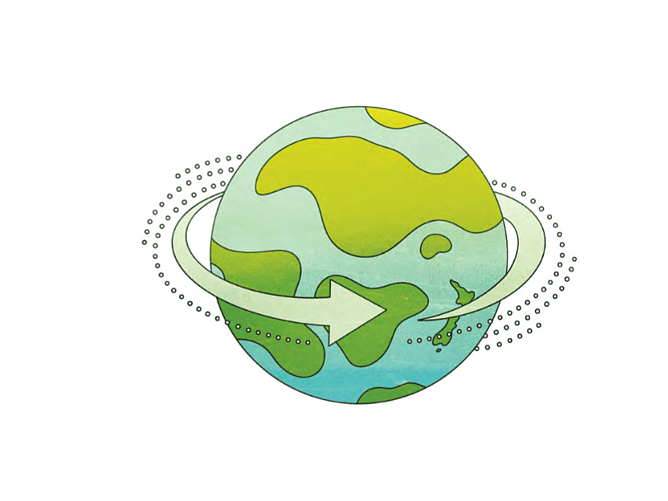
93.1% of everything entering the global economy is virgin material.
Despite decades of talking about sustainability, recycling and resource efficiency, we still predominantly extract materials, make things, use them, chuck them in the ground — and then extract more and do it all over again.
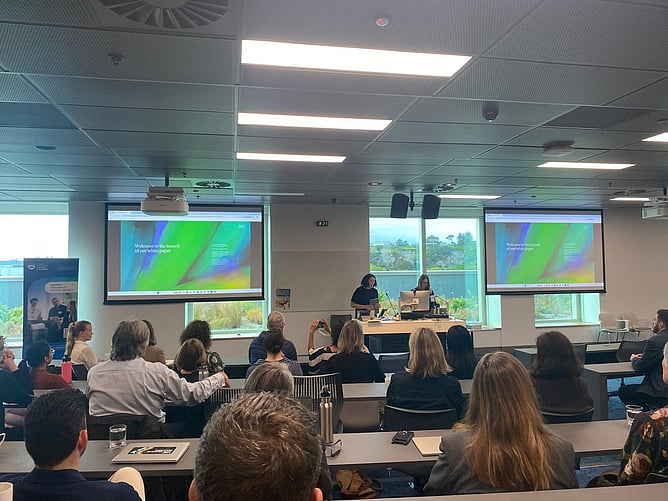
I recently attended the launch of Circular by Nature, a new strategic white paper by Louise Nash, Kelly McClean (Olatunji), and Samantha Walmsley-Bartlett that explores how Aotearoa New Zealand can move towards a circular economy.
Firstly, what an immense amount of work!
More than 200 articles, publications and case studies have been translated into a decision-making tool for all to use, from community groups through to boardrooms and council chambers.
And the mood in the room was incredibly positive.
People from business, academia, government, and the sustainability community discussed what needs to change, and what we can actually do about it.
Launch event of the white paper
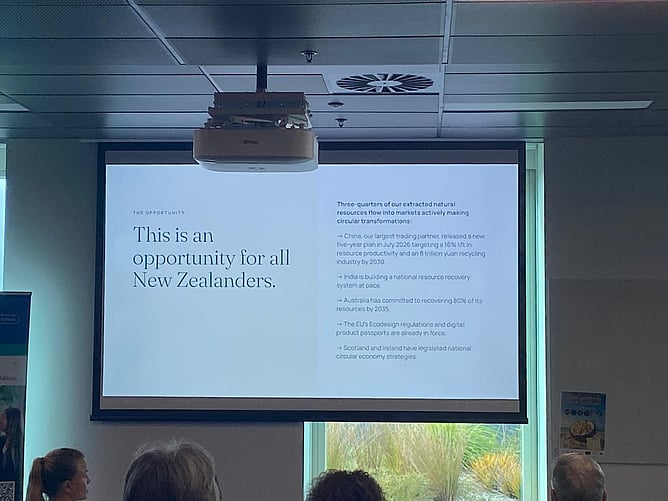
We are nature.
One of the simplest ideas behind the work is also perhaps its most important.
We are nature. Our economy isn't separate from the natural world. The materials in our homes, food systems, vehicles and infrastructure ultimately come from it. We come from it.
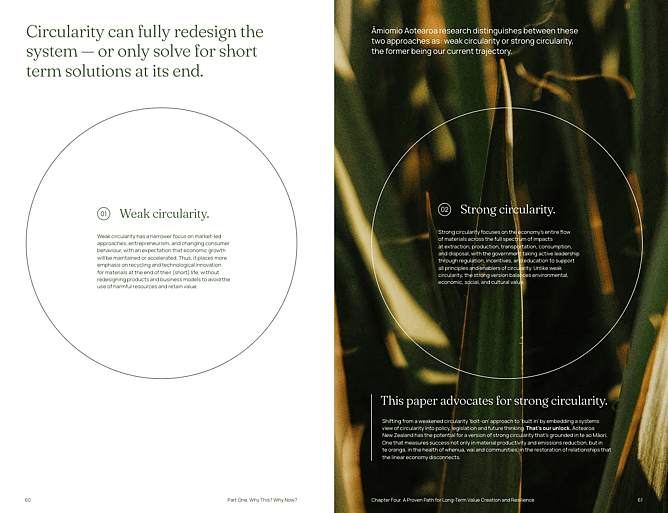
Circular by Nature therefore challenges us to go beyond simply recycling more.
It proposes three principles:
design out harm, waste and pollution;
keep materials flowing at their highest value;
and regenerate living systems.
Sustainability has traditionally been about how we can reduce our impact. Regeneration moves to how our economic systems can actively restore the natural systems we depend on.
The report makes this tangible by exploring circularity through three parts of everyday life:
How we LIVE. How we EAT. How we MOVE.
Together, food, housing, infrastructure and mobility account for 72% of natural resource use in Aotearoa.And throughout these sections, something becomes increasingly apparent: we aren't starting from zero.
Circular solutions are not new to Aotearoa New Zealand; they already exist here, from regenerative food production and Māori enterprise to repair, reuse, renewable energy, material recovery and new digital tools.
The problem is that these solutions are often fragmented.
As the report puts it, the real opportunity sits in the spaces between industries, organisations and existing initiatives.
From individual action to collective action.
We often put an enormous amount of responsibility on individuals.Recycle properly. Buy better products. Waste less food. Drive less.But individuals cannot redesign supply chains, introduce product standards, build reuse infrastructure or change procurement rules.Businesses can't do it alone either. Neither can councils. Or central government.
Circularity is a collective action challenge.
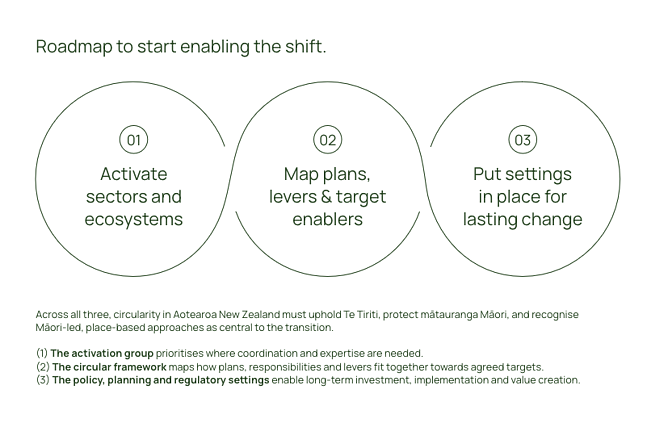
That's why the report's recommendations focus heavily on coordination: establishing a Circular Futures Activation Group, developing a National Circular Economy Framework, and embedding circularity within policy, planning and regulation.
So, what happens next?
And how do we make sure this doesn't become another brilliant report read predominantly within the same echo chamber?
If you're reading this, download the report. Read it. Share it > circularbynature.org
And then think about who else needs to see it.
Send it to someone in your organisation. Your leadership team. A policymaker. A council. An industry association. A researcher. Someone working in food, buildings, transport, infrastructure or finance.
And if your organisation wants to go further, Circular by Nature is inviting organisations to become signatories, advocate for its recommendations and bring the kaupapa into their own industries and networks.